Smoking and Your Blood Reports: Early Warning Signs You Should Never Ignore
By Smoking
7 May 2026
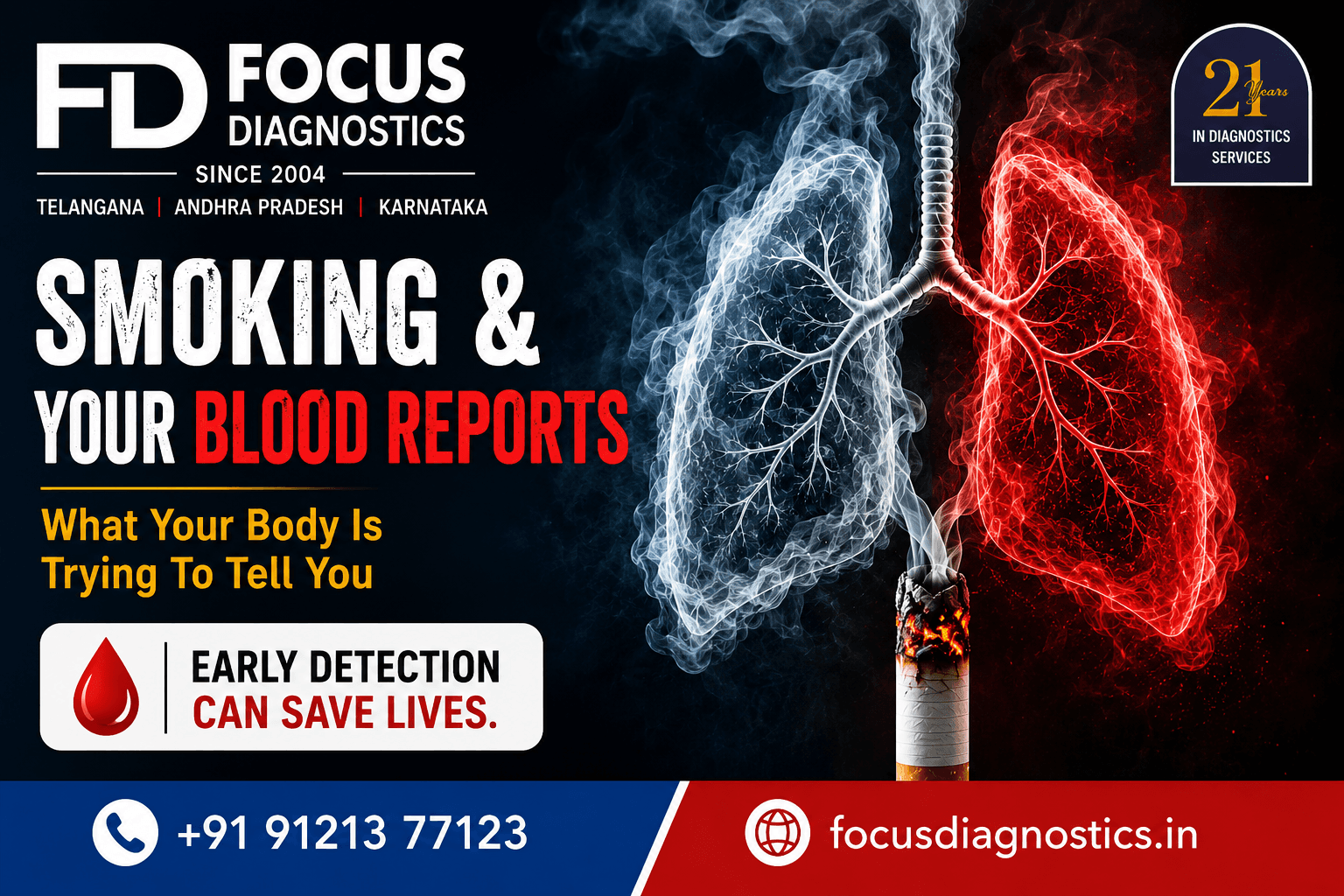
Smoking and Your Blood Reports: What Your Body Is Trying to Tell You
Smoking does more than damage your lungs. It silently affects your entire body, including your heart health, blood circulation, oxygen levels, and cholesterol balance. Many of these internal changes may not show visible symptoms in the beginning, but they can often be detected early through blood reports and preventive health screenings.
Regular diagnostic testing can help identify hidden health risks before they become serious medical conditions.
How Smoking Affects Your Body
Every cigarette exposes your body to harmful chemicals that can slowly damage vital organs and blood vessels. Over time, smoking may affect:
- Heart Health
- Blood Circulation
- Oxygen Supply
- Blood Pressure
- Cholesterol Levels
- Lung Function
- Immune System Response
Even if you feel healthy today, smoking-related damage can begin internally without obvious warning signs.
What Blood Reports May Show in Smokers
Routine blood tests can reveal several early warning signs linked to smoking.
Increased WBC Count
Smoking may increase white blood cell levels, which can indicate inflammation or stress inside the body.
High LDL Cholesterol
Smoking can raise bad cholesterol levels and increase the risk of heart disease and blood vessel blockage.
Reduced Oxygen Capacity
Smoking affects oxygen delivery throughout the body, which may impact breathing and overall energy levels.
Inflammation Markers
Certain blood tests may show signs of chronic inflammation caused by long-term smoking.
Blood Sugar Imbalance
Smoking may increase the risk of insulin resistance and blood sugar imbalance over time.
Recommended Health Tests for Smokers
Regular health screenings can help detect smoking-related risks early.
CBC (Complete Blood Count)
Helps evaluate infection, inflammation, and overall blood health.
Lipid Profile
Checks cholesterol and triglyceride levels to assess heart health risks.
Blood Sugar Test
Monitors glucose levels and diabetes risk.
Liver Function Test
Evaluates liver health, especially in long-term smokers.
Cardiac Risk Markers
Helps identify early signs of heart-related problems.
Why Early Detection Matters
Many serious health conditions develop silently. Blood reports and preventive health checkups can help identify health risks before symptoms appear.
Early detection can:
- Improve treatment outcomes
- Reduce long-term complications
- Support healthier lifestyle changes
- Help protect your future health
Your health today depends on the choices you make now.
Choose Health Before It’s Too Late
Quitting smoking and monitoring your health regularly can make a major difference in your long-term well-being. Preventive diagnostic tests provide valuable insights into your body and help detect hidden warning signs early.
Regular screening saves lives.
FAQ Section
1. Can smoking affect blood test results?
Yes. Smoking can affect cholesterol levels, white blood cell count, oxygen levels, inflammation markers, and overall cardiovascular health.
2. Which blood tests are recommended for smokers?
Commonly recommended tests include CBC, Lipid Profile, Blood Sugar Test, Liver Function Test, and Cardiac Risk Markers.
3. Can blood reports detect smoking-related health problems early?
Yes. Blood reports can help identify early warning signs before major symptoms appear.
4. How often should smokers get health checkups?
It is generally recommended to undergo regular preventive health screenings at least once a year or as advised by a healthcare professional.
5. Does smoking increase cholesterol levels?
Smoking can increase bad cholesterol (LDL) and reduce good cholesterol (HDL), increasing heart disease risk.
6. Why is preventive screening important for smokers?
Preventive screening helps detect silent health risks early and supports timely medical care and lifestyle improvements.
7. Can quitting smoking improve blood report results?
Yes. Over time, quitting smoking may help improve oxygen levels, circulation, inflammation markers, and heart health indicators.
8. What are the early warning signs of smoking-related health issues?
Fatigue, breathing difficulty, chest discomfort, poor circulation, and abnormal blood report results can indicate early health concerns.
9. Is a lipid profile important for smokers?
Yes. A lipid profile helps monitor cholesterol levels and assess cardiovascular risk.
10. How can regular health tests help smokers?
Regular tests help track internal health changes and support early diagnosis and prevention.